Lawn Mowing in Hanwell

Keep your grass neat, healthy-looking and manageable with lawn mowing in Hanwell that is planned around the condition of the turf, the season and the finish you want. This service is centred on regular mowing, tidy edging and a considered approach to keeping the lawn even, so it works well for front gardens, back gardens and shared green spaces that need a reliable cut. We keep the focus on practical lawn care rather than unnecessary extras, with straightforward options for ongoing maintenance or one-off attention.
Our lawn mowing work can sit alongside garden maintenance where a customer wants the grass kept under control as part of broader outdoor upkeep, or it can be arranged on its own when the lawn simply needs a clean, accurate cut. We also support gardens that benefit from hedge trimming at the same time, helping the outside space feel more ordered as a whole. If you are comparing services, ask for a quotation and we can talk through the right level of mowing for the garden you have.
Every lawn has a slightly different pattern of growth, so the cutting schedule needs to reflect what is actually happening in the grass rather than relying on a fixed assumption. A shorter ornamental lawn and a more robust family lawn will usually be approached differently, and areas with awkward borders, slopes or tight access may need a slower, more detailed finish. The aim is to give you a presentable result that looks deliberate, clean and well cared for.
Regular mowing for a consistent finish
Regular mowing is often the simplest way to keep a garden looking ordered without allowing the grass to become patchy, coarse or difficult to manage. A sensible routine helps the lawn stay even and stops the cut from becoming too drastic when the grass has been left for a little longer than planned. For many homes, a steady pattern of cutting is more useful than occasional heavy work because it protects the appearance of the turf and avoids unnecessary stress on the grass.
Where lawns have borders, paths or edges that need definition, the mowing work can be finished carefully so the line between lawn and planting remains clear. That matters as much as the cut itself because a neat edge changes the way the whole garden reads visually. If you want a wider tidy-up, a quotation can also cover related work such as garden clearance for overgrown areas or services overview information when you want to compare the available outdoor services first.
Smaller gardens, courtyards and narrow side returns can benefit from a more precise approach, especially where access points are tight or there are features that should be avoided. Larger lawns may need the work divided into sections so the finish stays even across the whole area. In both cases, the method should leave the grass looking cleanly cut rather than rushed, with attention paid to the final appearance around corners, steps and hard surfaces.
What we look at before cutting the lawn
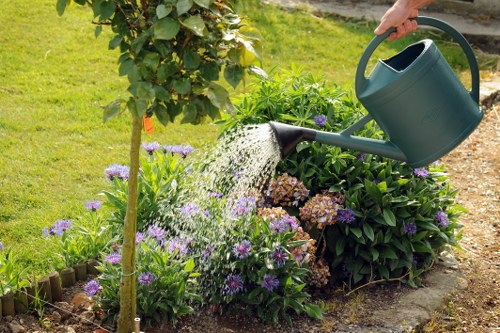
Good mowing starts with understanding the state of the grass before any cutting begins. Length, density, moisture and the general condition of the lawn all affect how the work should be handled. A lawn that has grown longer may need a more gradual reduction, while a regularly cut lawn can usually be finished more quickly and with a lighter touch. This is where a practical, measured approach makes the difference between an ordinary cut and a finish that looks carefully managed.
When a customer requests a quotation, it helps to know whether the lawn is the only area needing attention or whether there are other jobs to consider at the same time. For example, some properties need mowing together with landscape gardening work where the broader layout of the garden is being improved, or with landscaping if the outdoor space is being reshaped more substantially. The point is not to overload the visit, but to make sure the work requested matches the condition of the garden.
For best results, access should be clear enough for the mowing equipment to reach the lawn safely, and any items that could block the cutting route should be moved beforehand. That is not a complicated preparation step; it simply helps the work proceed without avoidable interruptions. If there are particularly delicate features, please mention them when asking for a quote so the mowing plan can reflect the layout properly.
Edges, borders and the details that shape the finish
The visual quality of a mown lawn often depends on what happens around the edges. A tidy perimeter makes the cut look complete, while uneven borders can leave the whole garden appearing less finished even when the main grass area has been cut well. This is why edging and close attention to boundaries are important parts of the service rather than optional decoration. They help the garden feel intentional and maintained.
Where the lawn meets paving, fencing or planted beds, a careful hand can preserve a neat line without disturbing the surrounding features. This matters in both decorative gardens and more practical spaces where the lawn is part of a family-use area. If the garden also needs structural or planting improvements, related pages such as decking services and landscape gardening can be useful starting points for deciding how the space should work overall.
Some customers want a sharp, formal finish; others prefer a softer but still tidy result. Either way, the edge of the lawn should sit comfortably alongside the rest of the garden rather than drawing attention for the wrong reason. A good cut leaves the grass itself looking healthy and the surrounding space looking organised, which is why these finishing touches are given proper attention.
Seasonal mowing and growth patterns
Lawn mowing in Hanwell needs to reflect the way grass behaves across the year. In active growing periods, the lawn may need more frequent cutting to stay level and avoid becoming coarse, while slower growth means the schedule can often be reduced. A sensible mowing pattern follows the grass rather than forcing a rigid routine that may not suit the season. That approach is useful for keeping the lawn presentable without overworking it.
Weather also affects the timing and manner of mowing. Very wet grass can be more difficult to finish neatly, and a lawn that is dry and stressed may benefit from a less aggressive cut. If a garden contains a mix of lawn and other features, such as shrubs or trees, mowing may need to be planned around those areas carefully. Where larger trees are part of the site, you can also look at tree lopping and removal if there are separate issues involving overhanging growth or obstructions.
A regular cut is often the best way to support a lawn that is being kept for everyday use, because the work remains lighter and more predictable. It is usually easier to maintain a stable finish than to let the grass become long and then try to bring it back under control in a single pass. A measured approach protects both appearance and manageability.
Useful options for mixed garden upkeep

Lawn mowing is often most effective when it sits within a wider plan for outdoor upkeep. Many gardens do not need one-off attention to a single feature; they need a coordinated approach that keeps grass, edges, hedges and planted areas in workable shape. In that setting, mowing becomes part of a broader maintenance pattern rather than an isolated task. The result is a garden that feels cared for across more than one level.
If the grass is only one part of a larger tidy-up, services such as garden maintenance and hedge trimming may be relevant alongside mowing. These options can help when a customer wants the lawn neat but also needs the rest of the garden to match that standard. For more detailed information about practical arrangements and payment handling, the pages on payment and security and pricing and quotes may also be helpful.
One clear quotation is often easier to work from than several separate assumptions, especially when the lawn is connected to other tasks in the same garden. A well-prepared enquiry can usually be made with a short description of the space and the level of finish required. If you are unsure which service combination is the right fit, it is better to describe the whole outdoor area so the quotation can reflect the actual work, not just the grass cut.
How quotation requests are usually put together
When you ask for a quote for lawn mowing, the main goal is to make the work easy to assess. A clear description of the garden helps, including whether the lawn is small or large, whether the ground is flat or uneven, and whether there are borders, steps or obstacles that may affect access. That does not require a long explanation; it simply gives enough context for the mowing work to be set out properly.
It can also help to say whether the lawn needs a one-off tidy or repeat attention. Some gardens need a quick recovery cut, while others are better suited to an ongoing mowing arrangement. If the grass is part of a more substantial garden change, the quotation can be shaped around that wider picture as well. For further background on how enquiries are handled, the contact us and about us pages provide general company information and a simple route to get in touch.
Two details usually matter most: the current condition of the lawn and the finish you want afterwards. A quote based on those factors is more likely to match the real work involved than one based on a vague description alone. If needed, you can also mention timing preferences, access considerations or whether other garden tasks should be included in the same visit.
About Hanwell
Hanwell is a district in the London Borough of Ealing in west London, best known for its long-settled residential streets, canalside routes and strong transport links. Historically, it developed as a village before being absorbed into the expanding capital, and traces of that earlier identity remain visible in the mix of older buildings, local high streets and green spaces. The Grand Union Canal passes through the area, bringing waterside paths and towpath views that sit alongside busier urban stretches. One of Hanwell’s most recognisable landmarks is the Wharncliffe Viaduct, the cast-iron railway structure designed by Isambard Kingdom Brunel for the Great Western Railway, which has become an important part of the district’s engineering heritage. Nearby, St Mary’s Church and the surrounding conservation-style streets reflect the area’s older historical layers, while Boston Manor Park and Elthorne Park add larger pockets of open space. Hanwell is also associated with the Hanwell Zoo, a long-standing local attraction in Elthorne Park, and with the annual Hanwell Hootie, a community music event that gives the district a lively cultural moment each spring. The area’s character is shaped by this combination of transport history, canal infrastructure, suburban housing and public green space, making it a place where everyday residential life sits close to visible reminders of London’s industrial and railway past.
Careful mowing for different types of lawn

Not every lawn responds in the same way to a cut, so mowing should be adjusted to the type of turf and the purpose of the garden. A decorative lawn needs a cleaner, more consistent finish, while a practical family lawn may need a focus on durability and ease of upkeep. If the grass is regularly used for children, pets or general movement around the garden, the mowing pattern should avoid unnecessary stress and leave the surface even enough to remain comfortable underfoot.
Where lawns are bordered by planting beds, trees or patio areas, the cut should be handled in a way that respects the surrounding layout. That may mean taking extra time around curved edges, stepping stones or garden furniture areas so the finish remains tidy throughout. If the wider outdoor space is being improved, it may be worth comparing mowing with pages such as landscaping or decking services to see how the garden can be set up for easier day-to-day use.
In some gardens, a lawn is only one element in a more varied design, and the mowing needs to complement paths, beds and built features rather than compete with them. A careful cut supports that balance. It helps keep the lawn healthy-looking, maintains the visual rhythm of the garden and reduces the chance of the grass becoming a dominant, unmanaged feature.
Preparing for a mowing visit
A small amount of preparation can make lawn mowing more efficient and help the finished result look better. It is usually enough to move loose garden items, toys or lightweight furniture out of the mowing route and to make sure any fragile features are visible before the work begins. That helps avoid unnecessary stops and makes it easier to produce a smooth, even cut across the full area.
If there are separate tasks that should be considered at the same time, it is best to mention them in the same enquiry rather than leaving them to be added later. For example, a lawn may need mowing now, but the surrounding area may also benefit from garden clearance if there is overgrowth that is affecting access. Where the concern is more about a full garden refresh, landscape gardening can provide a broader starting point for discussing the space.
There is no need to overcomplicate the enquiry. A few practical details are enough to produce a useful quote: the size of the lawn, whether it has been cut recently, whether there are difficult edges and whether you want one visit or a continuing service. From there, the work can be matched to the garden more accurately.
Arrange your quotation for lawn mowing
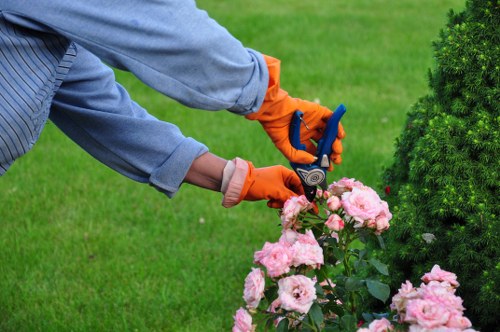
When you want lawn mowing in Hanwell, the most helpful next step is to request a quotation that reflects the actual state of the garden. That way, the work can be set out in practical terms rather than guessed from a general description. If the lawn is part of a bigger outdoor project, the quote can also take account of related services and the order in which they should be tackled. The aim is a tidy, manageable finish that suits the space and the level of care you want.
You can also explore the wider support pages if you are comparing options. The pages for garden maintenance, services overview and pricing and quotes offer a simple way to understand how the work is organised and what information may be useful when planning it. If you already know the main job is the lawn, that is enough to begin a conversation and ask for a quotation.
For a straightforward next step, send the basic details of the lawn and the finish you are hoping for, then ask for a quote. If you would rather talk through the options first, that is fine too. Request your quotation today and we can help you choose the right mowing approach for your garden.